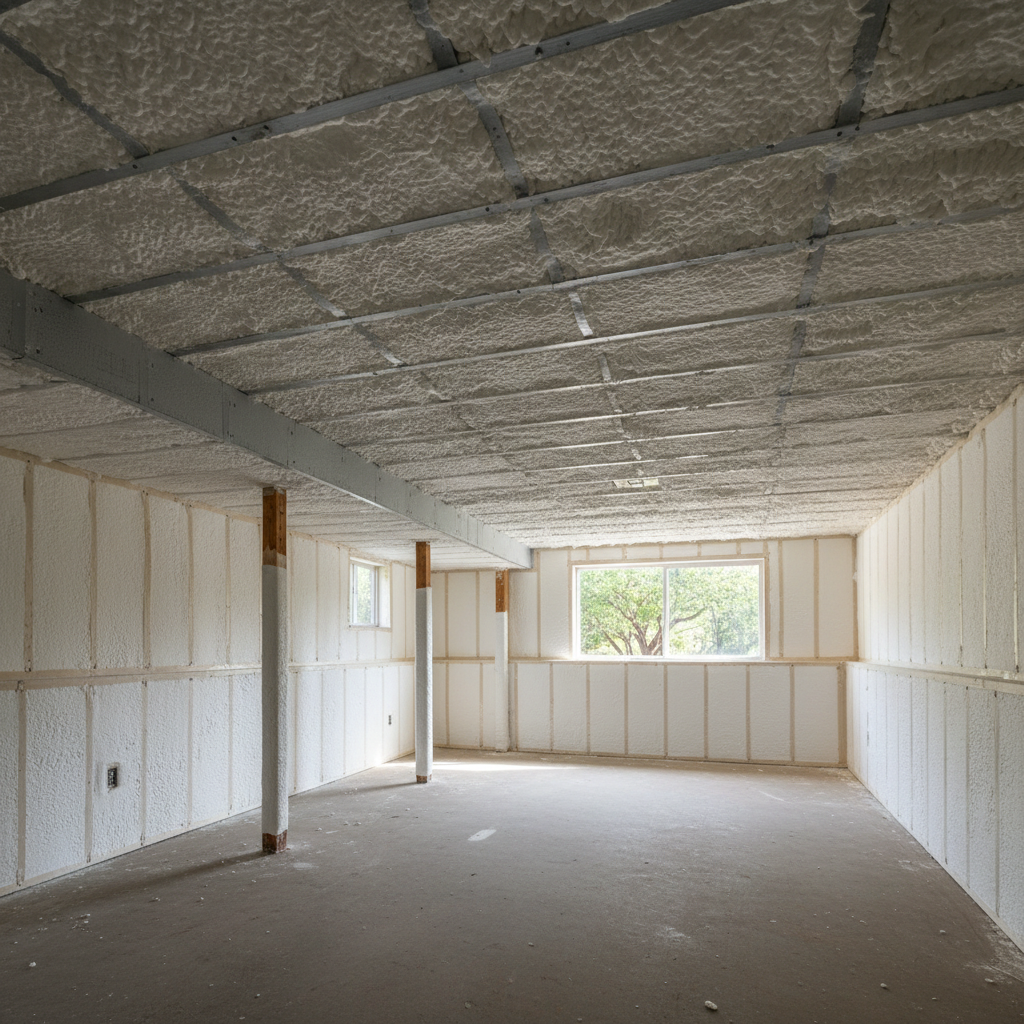
So, you're thinking about insulating your basement. Smart move. A lot of folks here in Pflugerville don't even have basements, but if you're one of the lucky ones—especially in some of the older parts of town or with a custom build—you've got a real chance to make your home way more comfortable and seriously cut down on those energy bills. It's not just a quick weekend project, though, even if you're pretty handy. There's a whole process involved, and knowing what to expect from the get-go can save you a ton of headaches and, frankly, a lot of cash.
Figuring Out Your Project Timeline
Let's start with the timeline, because that's usually the first thing people ask me about. Insulating a basement isn't like changing a lightbulb; there are quite a few moving parts. Generally, from the moment you decide to go for it until the last piece of insulation is snug in place, you're probably looking at anywhere from a few weeks to a couple of months. Here’s a typical breakdown:
- Initial Research & Contact (1-2 weeks): Hey, you're doing this part right now! You'll be looking up contractors, checking out reviews, and just getting a feel for what all this entails.
- Estimates & Consultations (1-3 weeks): You really should get at least two or three bids. A good contractor, like us at Superior Insulation Inc, will come out, actually look at your specific basement, chat about what you're hoping to achieve, and then give you a detailed estimate. This isn't just a number, you know? It's a whole plan.
- Decision & Scheduling (1 week): Once you pick your pro, you'll sign a contract and get yourself onto their schedule. Good contractors are often booked up a bit, especially during those peak seasons when everyone suddenly starts thinking about energy efficiency.
- Preparation (a few days to a week, depends on you): This is mostly your job. We'll get into more detail about it in a minute.
- Installation (1-5 days): This is the actual work itself. It varies wildly depending on how big your basement is, what kind of insulation you're putting in (spray foam, rigid foam boards, batt insulation), and if there's any old material that needs to come out first. For a typical Pflugerville basement, you're probably looking at 2-3 days for the crew to be on site.
So, yeah, don't expect it to happen overnight. Plan ahead, especially if you're trying to get it done before the really hot summer or cold winter weather hits.
What Happens When We're Working?
Okay, you've hired a crew, and they're ready to get started. What's it actually like having us in your house?
- Noise: Depending on the insulation type, it can get pretty loud. Spray foam, for example, uses specialized equipment that makes some noise. We'll definitely try to keep the disruption to a minimum, but you'll know we're there.
- Dust/Debris: Even with the best precautions, insulation work can be dusty. We'll lay down drop cloths and seal off areas as much as humanly possible, but just be ready for a bit of a mess. We'll clean up thoroughly when we're done, but you might still find a little residual dust hanging around.
- Smell: If you're going with spray foam, there's a distinct odor during and right after we apply it. It's temporary and fades pretty quickly, especially with good ventilation, but it's something to be aware of. We'll make sure the area is well-ventilated during and after the job, of course.
- Access: We'll need clear access to every part of your basement. That means moving furniture, stored items, and anything else that might be in our way.
- Professionalism: A good crew will always respect your home, show up on time, and keep you in the loop about their progress. If you have any questions while we're working, seriously, don't hesitate to ask the lead technician.
How to Get Your Basement Ready
Your preparation makes a huge difference in how smoothly the whole project goes. Think of it as setting us up for success. Here's a little checklist for you:
- Clear the Space: This is the big one, folks. Move out any furniture, boxes, stored items, or anything else that's in the way. We need a clear path to every wall, rim joist, and ceiling area that's getting insulated. The less we have to move, the faster and more efficiently we can work—and who doesn't want that?
- Protect Valuables: Even with drop cloths, it's just smart to remove anything valuable or sentimental from the basement, or at least cover it up really well.
- Address Moisture Issues: This is CRITICAL, with capital letters. If you have any water leaks, dampness, or humidity problems in your basement, they absolutely MUST be fixed before any insulation goes in. Insulating over a moisture problem is just asking for mold, mildew, and even bigger headaches down the road. We simply can't insulate a wet basement.
- Clean Up: Give the area a good sweep or vacuum. Less dirt and debris means a better surface for the insulation to stick to, especially if we're using spray foam.
- Secure Pets: Keep your furry friends away from the work area. It's safer for them and, honestly, for our crew too.
- Communicate: If you have specific concerns or areas you want us to pay extra attention to, please, just let us know before we even start.
Questions to Ask Before Signing Anything
You've got a few estimates now, and you're trying to make up your mind. Don't just stare at the bottom line. Ask these questions:
- What kind of insulation are you suggesting and why? There are different types (spray foam, rigid foam, batt) and they all have their ups and downs. A good contractor will explain their recommendation based on your basement's specific needs—like whether it's a finished space or just storage—and what you're trying to achieve.
- What's the R-value you'll hit? R-value is basically how well the insulation stops heat from moving. You want to know what you're actually getting for your money.
- What exactly does the price include? Does it cover materials, labor, cleanup, and getting rid of the old stuff? Are there any hidden fees lurking?
- How long will the project take, from start to finish? Get a clear timeframe, not just for the installation itself, but for the whole shebang.
- What kind of warranty do you offer on the materials and the actual work? A company worth its salt will stand behind what they do.
- Are you licensed and insured for this kind of work in Texas? You absolutely, positively want to make sure they're properly covered. Don't be shy about asking for proof.
- How will you protect my home while you're installing? Ask about dust control, how they'll ventilate, and general site protection.
- What's your cleanup process like? You definitely don't want to be left with a huge mess when they're done.
- Can you give me references from other basement insulation projects you've done? Hearing from past customers is always a smart move.
- What's the payment schedule? You shouldn't have to pay the whole amount upfront. A reasonable deposit, with the rest due once the job is finished and you're happy, is pretty standard.
Insulating your basement is a really smart investment for your Pflugerville home. By taking the time to plan, prepare, and ask the right questions, you'll ensure a smooth project and end up with a more comfortable, energy-efficient home for years to come. If you've got more questions, just give us a call at Superior Insulation Inc. We're always happy to help our neighbors figure out the best way to keep their homes cozy.