Homeowners who walk into a backyard shed in Pflugerville in July will feel like they just stepped inside an oven. People who live around Pflugerville already know Central Texas summers are very intense. When temperatures hover in the triple digits, uninsulated sheds turn into metal or wooden boxes that can easily bake items past 120 degrees.
Superior Insulation Inc receives a large number of questions from homeowners trying to figure out the best way to make their outdoor outbuildings usable. The most common questions we hear about shed insulation involve material choices, costs, and climate control.
Do I really need to insulate a shed in Pflugerville?
Shed Insulation depends entirely on what the space is used for. If the outbuilding only stores a lawnmower and a few empty flower pots, you can probably skip Shed Insulation. But if you want a backyard workshop, a home office, a hobby room, or a safe place to store items that hate extreme heat like leather, electronics, or canned goods, Shed Insulation is very important. Without Shed Insulation, the radical temperature swings we get here will warp your gear and ruin your comfort.
What is the absolute best insulation material for a backyard shed?
For most sheds in our area, closed-cell spray foam is the most reliable option for Shed Insulation. Closed-cell spray foam provides a high R-value per inch, acts as a built-in vapor barrier, and seals up every little gap where humid air or pests try to sneak in. Rigid foam boards are a solid second choice if you are working on a tighter budget or dealing with a simple kit shed frame, but spray foam gives you the tightest envelope against the brutal Texas sun.
Will insulating my shed stop the humidity and mold?
Shed Insulation alone will not do the trick unless you address air sealing and ventilation. Pflugerville air can get very humid, and when a hot metal shed cools down overnight, condensation can form on the interior walls. If you use closed-cell foam for your Shed Insulation, it stops air movement so moisture does not condense inside the wall cavity. However, if you are turning the shed into a conditioned office, you will also want to think about a small window unit or mini-split system to manage indoor humidity.
Can I just use fiberglass batts like inside a house?
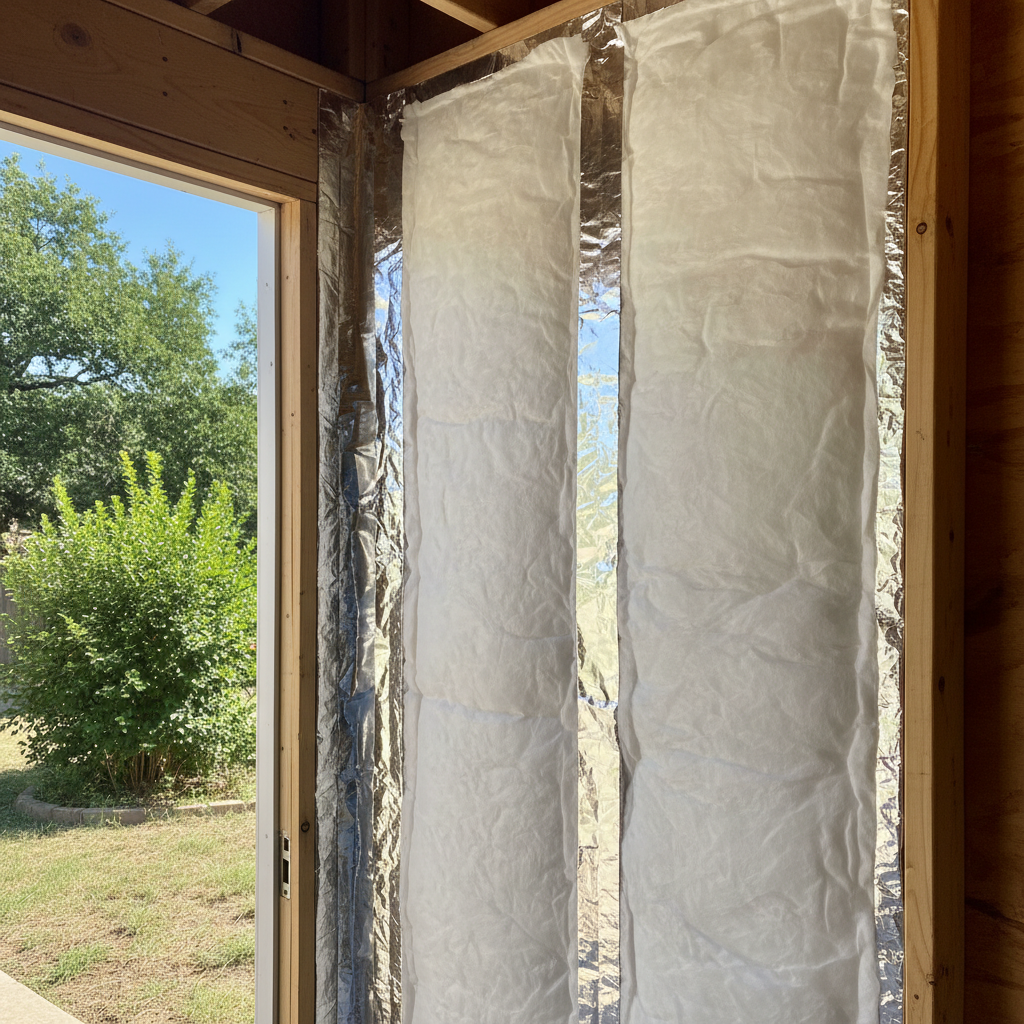
You can use fiberglass batts for Shed Insulation, but you have to be careful. Standard fiberglass batts require a proper vapor barrier and careful installation so they do not sag inside thin shed walls. In addition, mice and local pests love nesting in loose fiberglass if they find a tiny gap in your siding. If you do go the batt route for Shed Insulation, make sure your exterior walls and roof decking are completely sealed against water leaks first, because wet fiberglass loses its R-value fast.
Do I need to insulate the floor too?
If your shed sits up on wooden skids or concrete blocks with open air underneath, floor insulation makes a massive difference alongside your Shed Insulation project. Subfloor insulation or putting rigid foam boards between the floor joists stops drafts from creeping up through the bottom. It also keeps the floor from feeling like a frozen slab during those occasional winter cold snaps we get in Travis and Williamson counties.
How much does it usually cost to insulate a standard shed?
Pricing for Shed Insulation varies depending on whether you are doing a small 8x10 storage unit or a massive 14x20 custom workshop in Pflugerville, TX. Materials, square footage, and whether you choose DIY batt installation or professional spray foam all shift the final number. Superior Insulation Inc provides professional Shed Insulation services for homes in Pflugerville, TX.