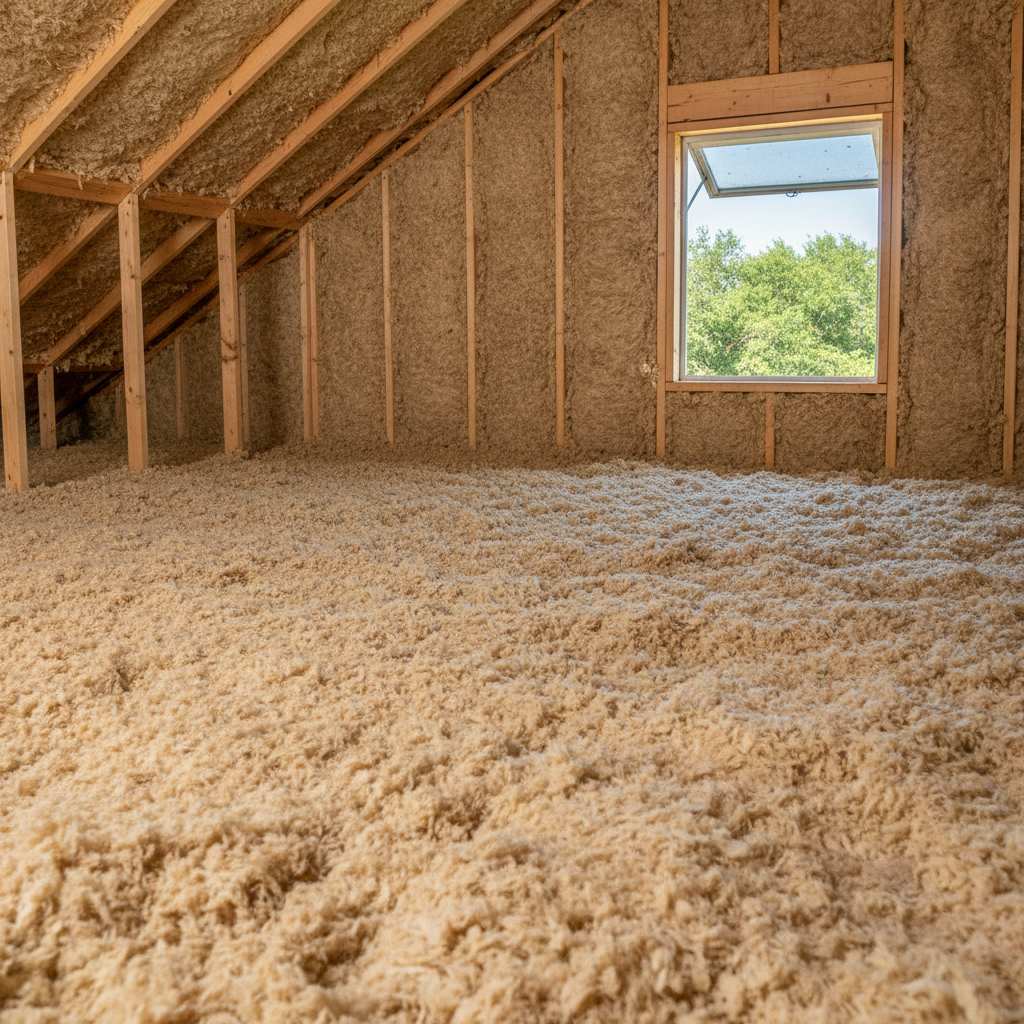
Alright, let's talk attic insulation. It's one of those things you don't think about much until your AC bill hits you like a brick in July, or your house just won't stay warm in a surprise winter freeze. I get a lot of calls from folks right here in Pflugerville asking similar questions, so I figured I'd put together some straight answers. No fluff, just what you need to know.
What's the right R-value for my attic here in Pflugerville?
This is probably the most common question I get. R-value is basically how well your insulation resists heat flow; the higher it is, the better it insulates. For our climate zone here in Central Texas, the Department of Energy suggests an R-value between R-38 and R-60 for attics. Now, you might hear some folks say R-38 is 'good enough,' but honestly, with our scorching summers and those occasional dips below freezing, I always lean towards the higher end if your budget allows. We're talking R-49 to R-60. It's a bigger upfront investment, sure, but it pays off in comfort and lower energy bills, especially when it's 105 degrees outside for weeks on end. Who wants to sweat that much?
How do I know if my attic insulation needs replacing or just adding to?
Walk up there and take a look. Seriously. You're looking for a few things. First, is it evenly distributed? You don't want bare spots or areas where it's significantly thinner. Second, what's the depth? If you can see the tops of your ceiling joists, you probably don't have enough. You should have at least 10-12 inches, and that's on the low end for our climate. Third, look for damage. Is it wet? Moldy? Compressed and matted down from water leaks or foot traffic? Is it full of rodent droppings or nests? If it's wet, moldy, or heavily contaminated, you're usually better off removing it and starting fresh. If it's just old and thin but otherwise clean, we can often add a new layer right on top to boost that R-value.
What's the deal with radiant barriers? Are they worth it in Texas?
Absolutely, especially here in Pflugerville. A radiant barrier isn't insulation in the traditional sense; it doesn't stop conductive heat flow like fiberglass or cellulose. What it does is reflect radiant heat. Think about how hot your attic gets in the summer – that's mostly radiant heat from the sun beating down on your roof. A radiant barrier, usually a foil-like material we install on the underside of your roof deck, can reflect up to 97% of that radiant heat, keeping your attic significantly cooler. This means your traditional insulation works more efficiently because it's not fighting as much heat from above. It's a fantastic complement to good R-value insulation, and I've seen it make a real difference in homes, particularly in older neighborhoods like those around Settler's Ridge where attics can get oven-hot.
Can I just do this myself?
You can, but it depends on your comfort level and what you're trying to achieve. Adding a layer of blown-in insulation over existing, clean insulation isn't rocket science, but it does require renting equipment and knowing how to safely navigate an attic. Attics are hot, dusty, cramped, and often have hazards like electrical wires, sharp nails, and uneven joists. If you're dealing with removal, air sealing, or installing a radiant barrier, that's a much more involved job that I'd strongly recommend leaving to professionals. We've got the right safety gear, the experience, and the tools to do it efficiently and correctly, ensuring you get the full benefit without risking a fall or a blown circuit.
What's 'air sealing,' and why is it important with insulation?
Air sealing is crucial, and it's often overlooked. Insulation slows down heat transfer, but it doesn't stop air movement. Think of it like a winter coat: it keeps you warm, but if it's full of holes, the cold air still gets in. Your attic is the same. There are countless small gaps and cracks where conditioned air from your living space leaks into the attic, and hot attic air leaks into your home. We're talking around plumbing stacks, electrical wires, recessed lights, and where walls meet the ceiling. Air sealing these penetrations with caulk or foam before adding insulation is vital. It stops that uncontrolled air movement, making your insulation far more effective and saving you even more on energy bills. It's often the first step we take at Superior Insulation Inc. before blowing in new material.
How long does attic insulation last?
Good quality insulation, properly installed, can last a very long time – often 50 years or more. Blown-in fiberglass or cellulose doesn't really 'go bad' if it stays dry and undisturbed. The main things that degrade it are moisture (from roof leaks or plumbing issues), compression (from storage or foot traffic), or contamination (from pests). If you keep your attic dry and don't use it as a storage space that compresses the insulation, you shouldn't have to worry about replacing it for decades. It's more likely you'll want to add to it over time as energy standards improve or you just want to boost your home's efficiency even further.
Hopefully, that clears up some of your questions. If you're still wondering about your specific situation, give us a call. We're happy to come out, take a look, and give you an honest assessment.