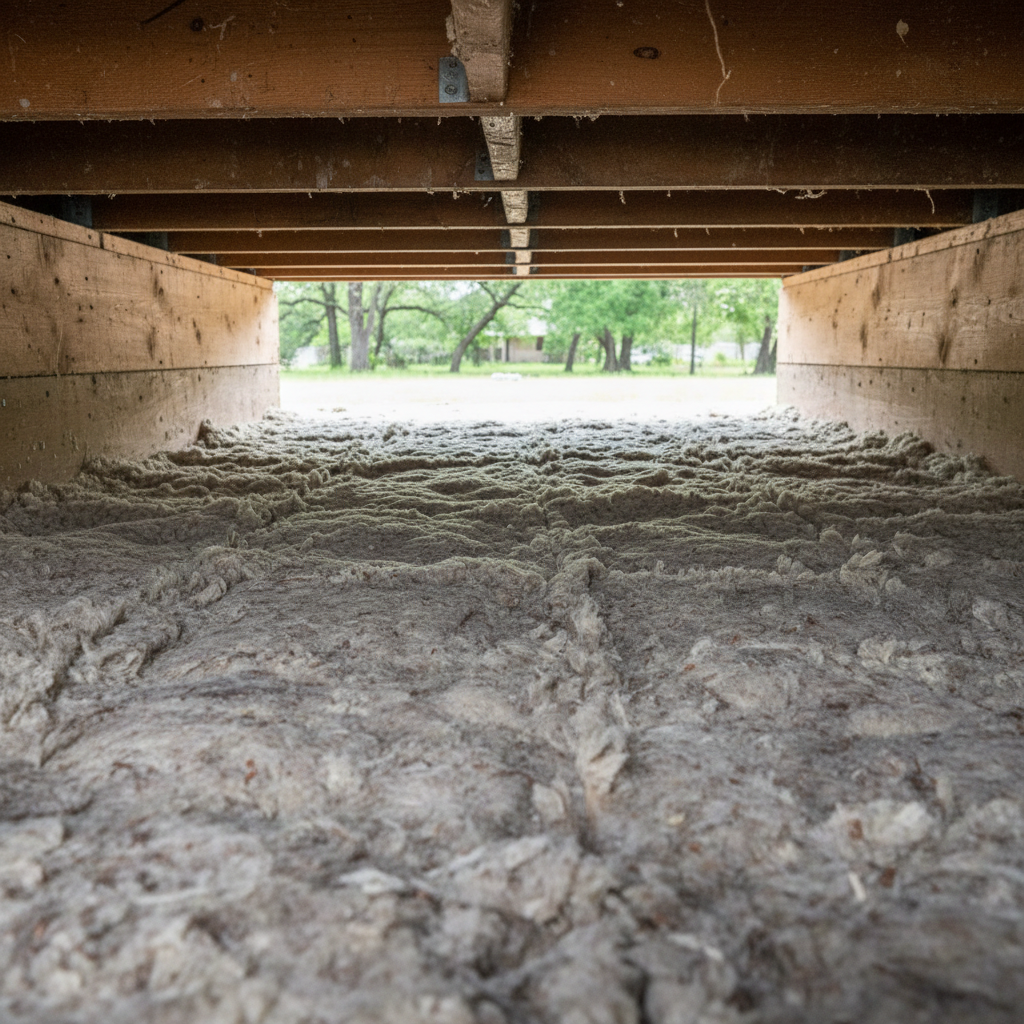
Alright, let's talk crawl spaces. I know it's not the most glamorous part of your house, but it's super important, especially here in Pflugerville. Our summers are brutal, and the ground can get pretty saturated, right? A lot of folks ask me if they can insulate their crawl space themselves, or if it's always a job for the pros. The honest answer? It really depends. I'm going to walk you through what you need to know before, during, and after, so you can make the right call for your home.
Before You Even Think About Insulation
First things first: you can't just slap insulation over existing problems. That's a recipe for disaster, plain and simple. Before any insulation goes in, you've got to deal with a few key things:
- Moisture Control is KING: This isn't something you can skip. If you've got standing water, damp soil, or high humidity down there, insulating without fixing it first will just create a mold factory. Check for leaky pipes, make sure your exterior grading slopes away from the foundation, and think about putting down a vapor barrier (that's a thick plastic sheet) over the soil. For serious moisture, you might need a dehumidifier or even a full encapsulation, which, let's be honest, is definitely a pro job. If you're seeing signs of mold or mildew, you'll need to deal with that safely before moving forward.
- Critter Control: Mice, rats, raccoons, snakes – they all love a cozy, dark crawl space. And they love to nest in insulation, tearing it up and leaving… well, you know. Make sure all entry points are sealed up tight. Check for gaps around pipes, vents, and any cracks in the foundation.
- Clean Up: Get rid of any debris, old insulation, or just plain junk that's piled up. You want a clean slate before you start.
- Safety First: Crawl spaces can be pretty nasty. You'll need good lighting, a respirator (N95 or better, especially if there's old insulation or mold), gloves, eye protection, and old clothes. It's often dusty, dirty, and full of potential hazards, so be careful.
If you've got serious moisture issues, a pest problem, or structural concerns, stop right there. Call a professional. Don't try to DIY those kinds of problems; you'll likely make them worse or put yourself at risk.
What You Can Realistically DIY
Okay, so your crawl space is dry, clean, and critter-free. Good job! Now, what can you actually tackle yourself?
- Vapor Barrier Installation: This is probably the most common DIY crawl space project, and it's a great one to do. Laying down a heavy-duty (at least 6-mil) polyethylene vapor barrier over the entire soil surface is very doable. You'll overlap seams by at least 6-12 inches, tape them, and then run the barrier up the foundation walls a few inches. It's messy and takes time, but it's not technically difficult. This step is crucial for keeping ground moisture out of your crawl space air.
- Insulating the Rim Joists: The rim joists are those perimeter boards that sit on top of your foundation walls, right where your floor framing begins. They're a huge source of air leaks and heat loss. You can cut pieces of rigid foam board (like XPS or polyiso) to fit snugly into these cavities and then seal the edges with canned spray foam. This is a bit fiddly, but it's definitely within a competent DIYer's reach.
That's about it for what I'd comfortably recommend most homeowners try to DIY. Why? Because insulating the subfloor or foundation walls themselves gets tricky fast.
When It's Time to Call a Pro (Like Us!)
Here's where things get complicated, and where you really want someone who knows what they're doing:
- Insulating Between Floor Joists (Subfloor Insulation): This is where you see those fiberglass batts stapled up against the subfloor. Sounds simple, right? Just push 'em in. But it's often done wrong. If the batts aren't properly supported, they'll sag, creating air gaps and losing all their effectiveness. Plus, if there's *any* moisture issue, fiberglass insulation can become a soggy mess, lose R-value, and even encourage mold growth. It's also incredibly itchy and unpleasant to work with in tight spaces. Honestly, we often recommend against traditional fiberglass batts in crawl spaces, especially in our humid climate, unless it's part of a full encapsulation.
- Insulating Foundation Walls (Crawl Space Encapsulation): This is the gold standard for crawl spaces, especially in a place like Pflugerville with our expansive clay soils and high humidity. It involves sealing off the crawl space from the outside air, insulating the foundation walls themselves (often with rigid foam or spray foam), and sometimes installing a dedicated dehumidifier. This creates a conditioned, controlled environment. This is a complex job that requires specific materials, sealing techniques, and often HVAC adjustments. It's not a DIY project. You need to know how to properly seal, vent, and manage moisture to avoid trapping problems inside.
- Spray Foam Application: If you're looking at spray foam for rim joists or foundation walls, that's 100% a professional job. It requires specialized equipment, training, and safety gear. You really don't want to mess around with DIY spray foam kits in a confined space.
- Old, Hazardous Insulation Removal: If you've got old, moldy, or pest-infested insulation, removing it safely is a big deal. You don't want to spread spores or hazardous materials around your home, do you? That's a job for folks with the right protective gear and disposal methods.
- Limited Access or Extremely Tight Spaces: Some crawl spaces are just too small or difficult to get around in safely. If you're struggling to move, it's better to let a pro handle it.
Look, I've seen a lot of DIY insulation jobs go sideways. People mean well, but without the right knowledge, tools, and understanding of building science, you can end up with bigger problems than you started with. For the bigger, more impactful work, especially anything involving sealing the space or spray foam, you really want to call in a reputable company. Here at Superior Insulation Inc, we've been helping folks in Pflugerville and the surrounding areas get their crawl spaces right for years. We know the local conditions, from the hot summers to the occasional heavy rains that can challenge even the best foundations in neighborhoods like Blackhawk and Falcon Pointe.
So, do your homework, tackle what you're comfortable with, and don't be afraid to bring in the experts when the job calls for it. Your home (and your energy bills) will thank you.